Source Card Sleeve for Electronics, Gifts, and Jewelry
Find 30 verified options for card sleeve products suitable for electronics, gifts, and jewelry. Buyers can compare customization, printing methods, and packaging details from multiple suppliers in Guangdong, China.
Key considerations
Products List


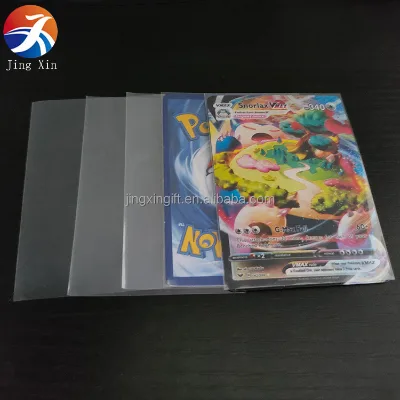


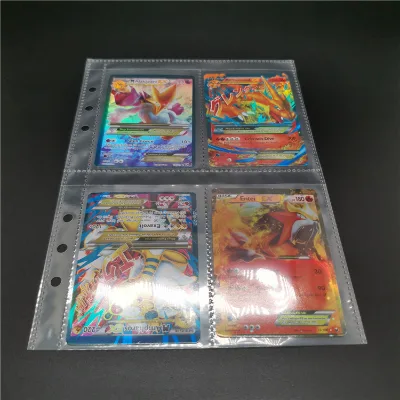
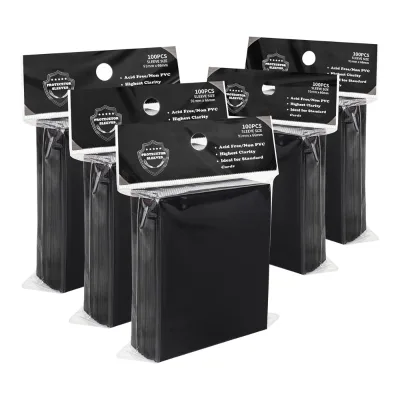


Comprehensive Sourcing Guide
Strategic Sourcing Guide for Card Sleeves in Global Procurement
Understanding the Product Landscape and Technical Specifications
When sourcing card sleeves, buyers must first distinguish between the various functional categories that fall under this broad keyword. The market offers distinct product types ranging from protective paper-based sleeves for physical cards to specialized electronic sleeves designed for data transmission. Based on current industry observations, the product category includes items described as "inner card sleeves" and "custom sleeve" solutions. These products are frequently characterized by specific physical dimensions, such as a standard size of 64*89mm, which aligns with common credit card or identification card formats. However, the market also supports "Custom Size" specifications, allowing for significant flexibility in manufacturing to meet unique packaging or storage requirements.
The material composition is a critical differentiator in this sector. Procurement teams often encounter two primary material profiles: paper-based solutions and synthetic options. Paper-based sleeves are typically constructed from "Cardboard" or similar paper types, often finished in "White" to allow for high-contrast branding. These are frequently utilized for "Gift," "Arts and Crafts," and "Greeting Cards." In contrast, the electronic segment of the market features "PVC Card" sleeves or structures. These are engineered for "Identification," "Payment," and "Information" storage, often incorporating "Memory Card" structures with "High Frequency" carrier capabilities. The functional requirements for these electronic variants include "Contact" types and "Serial" data transmission modes, serving applications in "Electronic Game Cards" and "Credit Cards."
The physical shape of the product is another essential specification. While the majority of standard offerings are "rectangular" or "Rectangle" shaped to fit standard card sizes, the customization capabilities allow for variations. The "Industrial Use" for these items spans a wide array of sectors, including "Wine & Drinks," "Cosmetic," "Health Care Products," "Electronic Products," "Food," and "Garment & Shoes." This versatility indicates that the card sleeve is not merely a container but a functional component in broader product ecosystems, serving as a protective layer, a branding surface, or an interface for electronic data.
Compliance, Certification, and Quality Verification Protocols
In the realm of B2B procurement, verifying compliance and quality standards is paramount, particularly when the end-use involves food, cosmetics, or electronic components. While the supplied data does not explicitly confirm specific certification statuses for all listed products, it references "ISO9001" as a background standard. Buyers should treat this as a reference point for general quality management systems rather than a guaranteed attribute of every supplier. It is crucial to verify that the supplier holds valid, current ISO9001 certification if this is a contractual requirement for your specific industry.
For products intended for food or cosmetic packaging, such as those used for "Wine & Drinks" or "Cosmetic" items, buyers must independently verify material safety certifications. The observation that the material can be "Cardboard" suggests a need to ensure the paper is food-grade if the sleeve comes into direct contact with consumables. Similarly, for "PVC Card" products used in electronic applications, compliance with electronic safety standards and material toxicity regulations (such as RoHS or REACH) should be confirmed directly with the manufacturer. The absence of explicit certification data in the product listing means that the buyer's responsibility is to request and validate these documents before finalizing an order.
Quality verification also extends to the manufacturing process itself. The data indicates that "Screen Printing" and "Hot Stamping" are common craftsmanship techniques. Buyers should establish clear acceptance criteria for these printing methods. For instance, screen printing quality can vary based on ink adhesion and color fidelity, while hot stamping requires precise temperature and pressure control to avoid damage to the substrate. A robust quality control plan should include sampling protocols to test the durability of the "Logo Printing" and the structural integrity of the "Cartons Packaging" or "Box" packaging used for shipment.
Cost Drivers and Pricing Dynamics in Card Sleeve Procurement
The pricing structure for card sleeves is influenced by a complex interplay of factors, including material costs, customization levels, and order volume. The observed price range in the market spans from $0.01 to $4.00 USD. This wide variance is not indicative of a single product tier but rather reflects the diversity of the product types available. The lower end of the spectrum likely corresponds to simple, non-customized paper sleeves with minimal printing, while the higher end may encompass complex PVC electronic sleeves with advanced features like encryption or specific memory structures.
Order Volume is a primary driver of unit cost. The Minimum Order Quantity (MOQ) observed in the market ranges from 100 to 30,000 units. Suppliers typically offer tiered pricing, where the unit cost decreases as the order quantity increases. For example, an order of 100 pieces might carry a significantly higher per-unit cost compared to an order of 200,000 pieces. The "Supply Ability" of suppliers, which can reach up to 1,500,000 pieces per month, suggests that large-volume orders are feasible but require careful planning to ensure consistent quality and timely delivery.
Customization is another significant cost factor. The availability of "Custom Size," "Custom Logo," and "Custom specifications" allows buyers to tailor products to their brand but inevitably adds to the production cost. The "Sample Time" of 3-5 days indicates that the customization process is relatively agile, but the setup costs for custom molds or printing plates may be passed on to the buyer. Additionally, the choice of packaging, such as "100pcs/bag" or custom "Cartons," can influence the final landed cost. Buyers should request detailed breakdowns of costs to understand the premium associated with specific customization requests versus standard off-the-shelf options.
Typical Applications and Industrial Use Cases
Card sleeves serve a multitude of industrial applications, making them a versatile component in various supply chains. The data highlights usage in "Wine & Drinks," "Cosmetic," "Health Care Products," "Electronic Products," "Food," and "Garment & Shoes." In the beverage and food industries, card sleeves often function as protective packaging or informational inserts, ensuring that the product remains clean and that branding is prominent. The "Gift" industrial use suggests that these sleeves are frequently employed in promotional campaigns or as part of gift sets, where the aesthetic appeal of the "White" color and the quality of the "Hot Stamping" are critical.
In the electronic sector, the application shifts from passive protection to active data management. "PVC Card" sleeves with "Memory Card" structures are essential for "Identification," "Payment," and "Electronic Game Card" systems. These products often require high-frequency carrier capabilities and specific data transmission modes, such as "Serial" communication. The "Contact" type classification indicates that these sleeves are designed to interface with specific hardware readers, making them integral to access control systems, loyalty programs, and payment terminals.
The "Arts and Crafts" and "Greeting Cards" sectors also represent a significant market for card sleeves. Here, the focus is on the aesthetic and tactile qualities of the product. The ability to accept "Customized Logo" and "Your Logo or Design Print" allows businesses to create unique, branded stationery or craft kits. The "Rectangle" shape and "Small" size specifications make these products suitable for a wide range of creative projects, from business card holders to decorative packaging for small gifts.
Supplier Evaluation and Selection Criteria
Selecting the right supplier for card sleeve procurement requires a rigorous evaluation process that goes beyond price comparison. The data indicates that suppliers often have a "Business History" of 16 years, suggesting a level of stability and experience in the market. However, buyers should verify this history and ensure that the supplier has a proven track record in producing the specific type of card sleeve required. The "Place of Origin" is listed as "Guangdong, China," a region known for its manufacturing capabilities, but buyers should confirm the specific factory location and its capacity to handle their volume requirements.
The "OEM and ODM" capabilities of the supplier are crucial for buyers seeking customization. The fact that "Customization" is available and "OEM and ODM" are welcome indicates that suppliers are equipped to handle bespoke orders. Buyers should assess the supplier's design team and their ability to translate concepts into physical products. The "Sample" availability, including "Free in our storage" options, provides an opportunity to evaluate the quality of the product before committing to a large order. This sampling phase is essential for verifying the "Craftsmanship," such as the quality of "Screen Printing" and "Hot Stamping."
Logistics and shipping capabilities are also key evaluation criteria. The data mentions shipping via "Express, Air and Ocean," offering flexibility for different urgency levels and budget constraints. Buyers should evaluate the supplier's ability to manage "Packaging Details," such as "100pcs/bag" or custom requests, to ensure that the products arrive in good condition. The "Lead Time" for samples is noted as 3-5 days, which is a positive indicator of operational efficiency, but buyers should also inquire about production lead times for bulk orders to ensure alignment with their supply chain schedules.
Quality Control and Long-Term Procurement Strategies
Implementing a robust quality control strategy is essential for maintaining product consistency and brand reputation. Given the diverse applications of card sleeves, from food packaging to electronic components, buyers must establish clear quality benchmarks. This includes verifying the "Material" specifications, ensuring that "Cardboard" or "PVC" meets the required durability and safety standards. Regular inspections during the production process can help identify issues early, such as misalignment in "Logo Printing" or defects in the "Rectangular" shape.
For long-term procurement, building a strategic partnership with the supplier is beneficial. The "Supply Ability" of up to 1,500,000 pieces per month suggests that suppliers can scale production to meet growing demand. However, buyers should negotiate terms that ensure priority treatment during peak seasons and consistent quality control. The "Custom Size" and "Custom specifications" capabilities allow for long-term product evolution, enabling buyers to adapt their offerings to market trends without changing suppliers.
Finally, buyers should consider the environmental impact of their procurement choices. With the increasing focus on sustainability, evaluating the recyclability of "Cardboard" materials and the eco-friendliness of "PVC" alternatives can be a strategic advantage. While the data does not explicitly mention eco-certifications, buyers should proactively inquire about the environmental practices of their suppliers. By integrating these considerations into their procurement strategy, buyers can ensure a sustainable and resilient supply chain for card sleeves.
Summary of Key Sourcing Parameters
To facilitate a comprehensive understanding of the card sleeve market, the following table summarizes the key parameters observed in the current landscape. This comparison highlights the diversity of options available to buyers and serves as a checklist for procurement planning.
| Parameter | Observation / Range | Strategic Consideration |
|---|---|---|
| Product Types | Inner card sleeves, Custom sleeves, PVC Cards | Distinguish between passive protection and active electronic functions. |
| Material | Cardboard, PVC | Verify material safety for food/cosmetic use; check electronic compliance for PVC. |
| Dimensions | 64*89mm (Standard), Custom Size | Confirm fit for specific card formats; request custom molds if needed. |
| MOQ | 100 - 30,000 pcs | Negotiate tiered pricing; balance inventory costs with order volume. |
| Price Range | $0.01 - $4.00 USD | Correlate price with material and customization complexity. |
| Customization | Logo, Size, Color, Packaging | Leverage OEM/ODM capabilities for brand differentiation. |
| Lead Time | 3-5 days (Sample) | Plan production schedules based on sample approval and bulk lead times. |
| Shipping | Express, Air, Ocean | Select based on urgency and cost; verify packaging for transit safety. |
| Origin | Guangdong, China | Verify factory location and capacity; assess logistics from this region. |
| Certifications | ISO9001 (Background) | Request specific compliance docs for food, electronic, and safety standards. |
By adhering to these guidelines and leveraging the detailed specifications provided, buyers can navigate the card sleeve market with confidence, ensuring that their procurement decisions align with their quality, cost, and operational requirements.
FAQs
What materials are used for card sleeves?
Card sleeves are primarily made from cardboard or PVC. Cardboard options are often white and suitable for gifts and crafts, while PVC variants support electronic functions like identification and payment.
Can I customize the logo on the sleeves?
Yes, customized logos are available on these products. Suppliers accept your specific design or logo print using techniques like screen printing or hot stamping for branding purposes.
What is the minimum order quantity for these items?
The minimum order quantity starts at 100 pieces. However, some listings indicate higher thresholds up to 30,000 units depending on the specific customization and supplier capacity.
How long does it take to get a sample?
Sample time is typically 3 to 5 days. Some suppliers offer free samples from their storage, allowing you to verify quality before placing a larger bulk order.
Where are these card sleeves manufactured?
These products originate from Guangdong, China. The manufacturing location supports a high supply ability of up to 1.5 million pieces per month for large volume orders.
What sizes are available for custom card sleeves?
Standard sizes include 64 by 89 millimeters, but custom sizes are available. Buyers can request specific dimensions to fit unique packaging or storage requirements for their products.